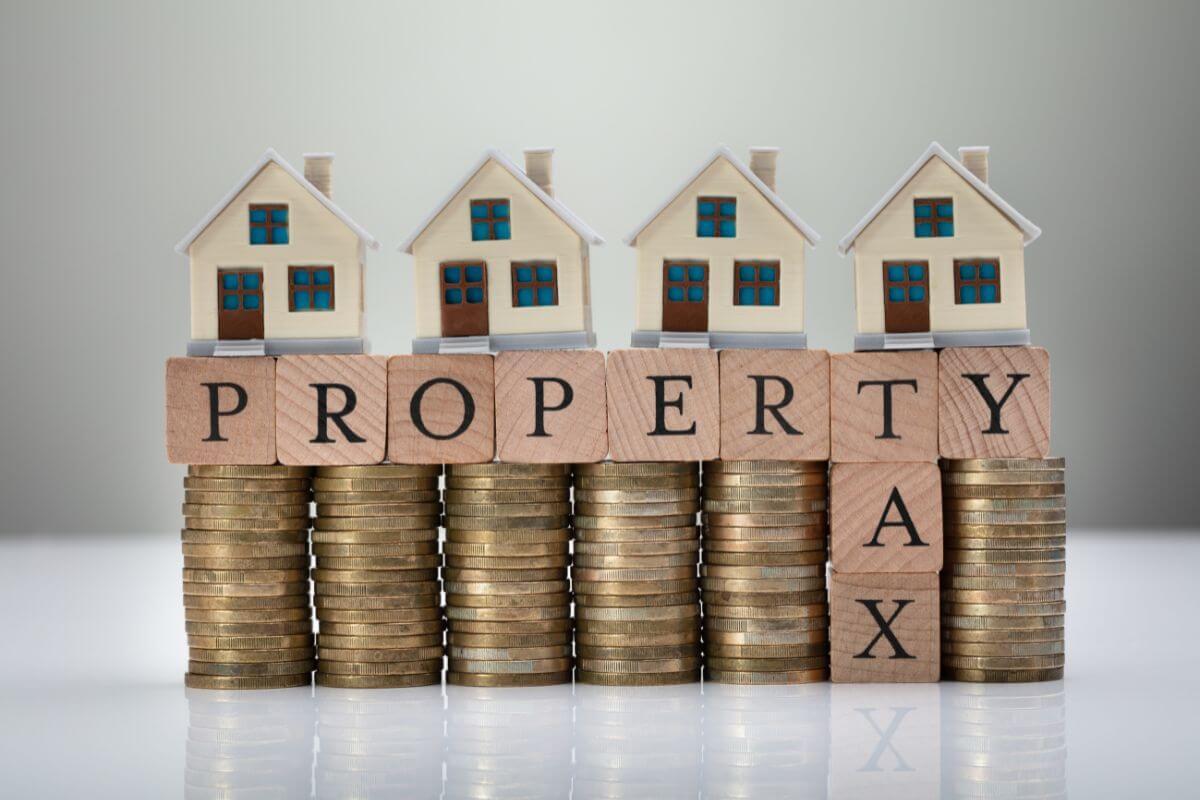
Buying land, an apartment, or a family home in Kenya is an exciting milestone—but many buyers overlook one critical element: property taxes. Beyond the asking price, several taxes and fees are legally required during and after the purchase. Failing to account for them can delay transactions, inflate costs, or even result in ownership disputes.
In this guide, we break down all the key property taxes in Kenya, explain how they affect buyers, and share tips to avoid costly mistakes in 2025.
1. Key Property Taxes in Kenya
🏷️ Stamp Duty
This is the most common tax for property buyers.
It is charged when transferring property ownership from the seller to the buyer.
Rates:
4% of the property value in urban areas.
2% of the property value in rural areas.
The tax is based on the market value of the property, as assessed by government valuers—not just the seller’s asking price.
✅ Tip: Always budget for stamp duty early, as it can add a significant cost to the transaction.
💰 Capital Gains Tax (CGT)
CGT is charged when selling property and applies to the seller.
Rate: 5% of the net gain (profit after deducting expenses).
While sellers are responsible, buyers should ensure the seller has cleared CGT before completing the transfer.
✅ Tip: If the seller fails to pay, the transfer can be blocked at the registry.
🌍 Land Rates
Annual tax paid to county governments for properties located in urban areas.
The amount varies depending on the county and the property’s location.
Buyers must confirm that the seller has cleared all outstanding land rates before purchase.
✅ Tip: Ask for an official clearance certificate from the county before paying.
🏡 Land Rent
Charged on leasehold properties, especially in Nairobi.
Payable annually to the Ministry of Lands.
If unpaid, the government can restrict transactions on the property.
✅ Tip: Verify that the property has no arrears of land rent on Ardhisasa or eCitizen.
📑 Rental Income Tax
Relevant to buyers who intend to rent out their property.
As of 2025, the tax is 7.5% of gross rental income, deducted at source.
Applies to both residential and commercial rental properties.
✅ Tip: Investors should factor this into their projected rental income to avoid losses.
2. Other Costs Buyers Should Budget For
In addition to taxes, buyers in Kenya should prepare for:
Legal fees: Typically 1–2% of the property value.
Valuation fees: Paid to valuers for assessing market value.
Registration fees: Charged during title deed processing.
Agency fees: If using a real estate agent, commission is usually 1.25%–3% of the purchase price.
These costs, though not taxes, can raise your total budget by an additional 7–10%.
3. How to Pay Property Taxes in Kenya
Thanks to digitization, most taxes can now be paid online:
eCitizen Portal: Stamp Duty, CGT, land rent.
Ardhisasa: Title-related payments, land rent checks.
County Government Portals: Land rates.
Always keep official payment receipts and clearance certificates for future transactions.
4. Common Mistakes Buyers Make
Ignoring hidden costs: Many buyers only budget for the purchase price.
Failing to check clearance: Unpaid land rates or rent can block ownership transfer.
Underestimating stamp duty: Especially in high-value urban areas.
Skipping professional help: Trying to save on legal fees often leads to bigger financial losses.
5. Why Understanding Property Taxes Matters
Avoids delays: Transactions can stall if taxes are unpaid.
Protects ownership: Ensures clean and legal transfer of property.
Prevents disputes: Unpaid taxes often lead to conflicts between sellers, buyers, and government authorities.
Better budgeting: Helps buyers avoid unpleasant surprises.
Property taxes are a vital part of Kenya’s real estate system. While they may feel like an extra burden, they protect both buyers and sellers by ensuring legal ownership and contributing to public services.
👉 Whether you are buying land, an apartment, or an investment property, always budget for taxes and seek professional guidance.
At Masion.co.ke, we help buyers and investors understand property taxes, avoid hidden costs, and make safe, informed real estate decisions.
🔑 Explore verified listings today and take the first step towards stress-free property ownership.
A little more clarity
Frequently asked questions
What does this article cover?
Buying land, an apartment, or a family home in Kenya is an exciting milestone—but many buyers overlook one critical element: property taxes. Beyond the asking price, several taxes and fees are legally required during and after the purchase. Failing to account for them can delay transactions, inflate costs, or even result in ownership disputes.
How can I find properties related to my requirements?
Browse the property listings and filter by location, price, and property type. You can also use Request a Property to share your requirements and receive matching suggestions.
How can I ask about a property?
Open the property page to review its details and contact the listing agent using the enquiry options shown there. Confirm availability and arrange a viewing with the agent.
Join the conversation
Comments
Looking for a property?Get help with a request tailored to your location and budget.
No comments yet. Share a thought or ask a question above.