
Renting a home in Kenya comes with legal protections that many tenants are unaware of. From the moment you begin house hunting to the day you move out, the law grants you specific rights designed to protect you from unfair treatment, unsafe living conditions, and financial exploitation.
Understanding these rights empowers you to make informed decisions, resolve disputes confidently, and avoid common landlord-tenant conflicts. Whether you are renting for the first time or have lived in rental housing for years, this guide breaks down what every tenant in Kenya should know.
Why Knowing Your Tenant Rights Matters
Many disputes between landlords and tenants arise not because of bad intentions, but because one party is unaware of their legal obligations. When tenants understand their rights, they are better positioned to:
- Avoid discrimination
- Demand safe and habitable living conditions
- Protect their privacy
- Recover deposits fairly
- Handle evictions and lease terminations lawfully
Tenant rights are not favors granted by landlords — they are legal protections.
Your Rights Before You Rent a House
Tenant rights begin earlier than many people realize — before you even move in.
Protection Against Discrimination
Landlords are not allowed to deny housing based on:
- Gender
- Religion
- Nationality or ethnicity
- Race or colour
- Disability or health status
- Family status (such as having children)
While some housing arrangements may be gender-specific for practical reasons, arbitrary or biased discrimination is not lawful.
Fair Screening Practices
Landlords are allowed to assess your ability to pay rent, including requesting proof of income or references. However, they cannot impose harsher conditions on you simply because of your background or personal characteristics.
Charging different rent, demanding higher deposits, or setting unfair rules for specific groups of people is considered discriminatory.
Rights You Have Once You Move In
Once you sign a tenancy agreement and take possession of the house, your rights become more clearly defined.
Right to a Habitable Living Environment
Every tenant has the right to live in a home that is:
- Structurally safe
- Supplied with water and electricity
- Free from major health or safety hazards
If essential systems such as plumbing, wiring, lighting, or sanitation are faulty, the landlord is responsible for fixing them within a reasonable time.
Right to Repairs and Maintenance
Landlords are responsible for maintaining the property in livable condition. This includes:
- Electrical faults
- Plumbing issues
- Broken doors, windows, or fittings
- Roof leaks or drainage problems
Tenants should report issues promptly. Making major repairs without consent may later affect your deposit, so it’s always best to notify the landlord in writing and allow them to act.

Right to Privacy and Quiet Enjoyment
After moving in, the property becomes your private space. A landlord:
- Cannot enter the house without your consent
- Must give reasonable notice before visits
- Can only enter without permission in emergencies
Unannounced visits, frequent inspections, or harassment violate your right to privacy.
Right to Personal Safety
Landlords must ensure that the house provides reasonable security. Doors, windows, locks, and gates should be functional.
Tenants are also allowed to take reasonable steps to enhance their own safety, such as adding extra locks, as long as permanent alterations are discussed and agreed upon.
Rights Related to Rent, Deposits, and Lease Terms
Right to Clear Lease Terms
Before signing any agreement, tenants have the right to:
- Read and understand the lease
- Ask questions or request clarification
- Know the rent amount, payment terms, and penalties
Never feel pressured to sign a lease you do not fully understand.
Right to Fair Handling of Your Deposit
At the end of the tenancy, tenants are entitled to a refund of their deposit, less any lawful deductions for damage beyond normal wear and tear.
If deductions are made, you have the right to request an explanation or breakdown of costs.
Your Rights When Moving Out
Right to Proper Notice
Both tenants and landlords must follow the notice period outlined in the tenancy agreement. In the absence of a written agreement, reasonable notice is still expected.
Right to Know the Reason for Eviction
A landlord cannot evict a tenant arbitrarily. If an eviction notice is issued, the tenant has the right to know:
- The reason for eviction
- Whether it is permitted under the lease
- Whether there is an opportunity to remedy the issue
Right to Terminate a Lease
Tenants also have the right to leave a property, provided they comply with the notice terms in the agreement.
If a landlord repeatedly ignores maintenance requests or breaches the agreement, a tenant may lawfully choose to terminate the tenancy and move out.
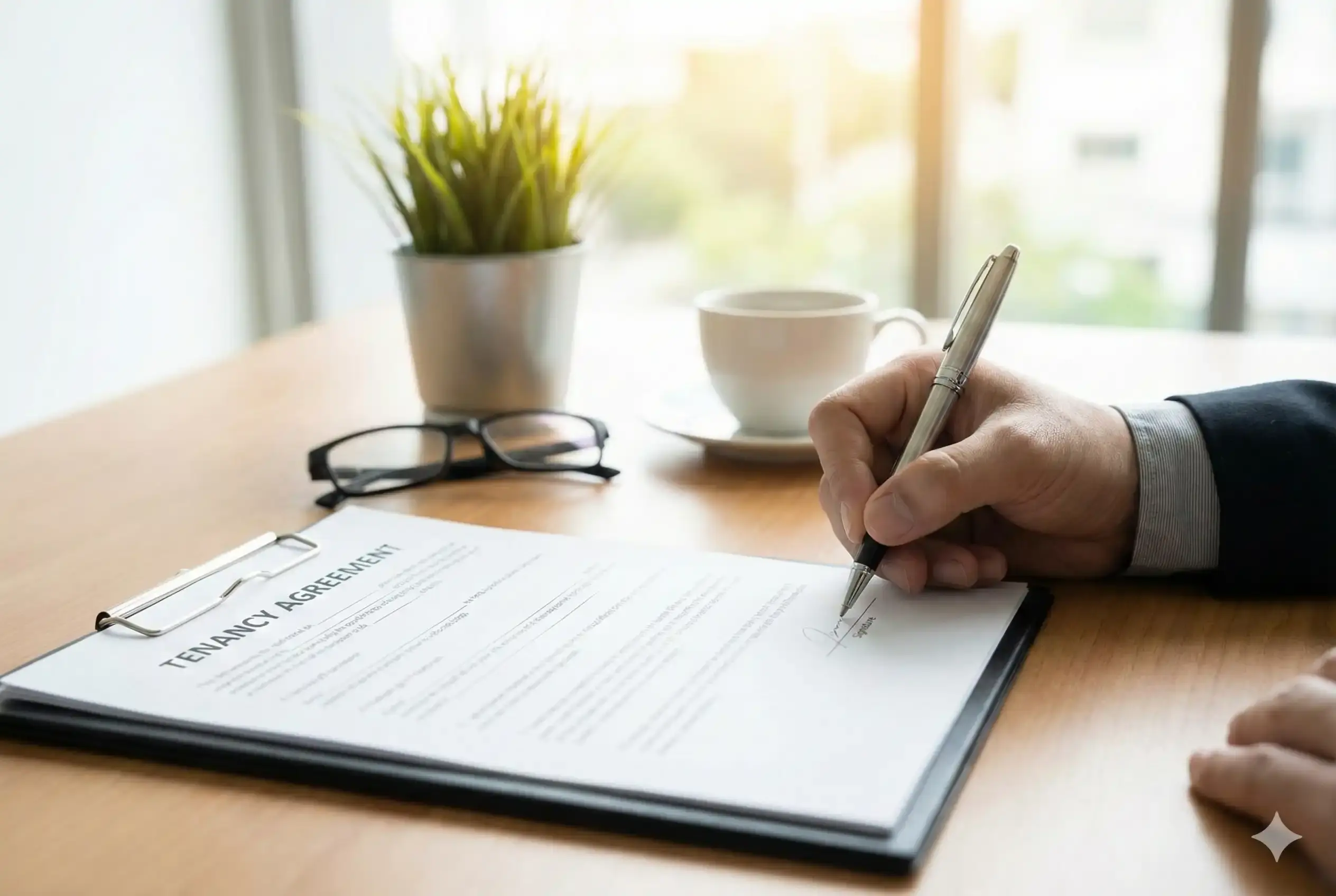
The Importance of the Tenancy Agreement
Tenancy agreements vary widely. Some are detailed, while others are very basic. Regardless, tenants should:
- Read every clause carefully
- Clarify unclear terms
- Keep a signed copy safely
A written agreement protects both parties and reduces disputes.
Conclusion
Renting a home should provide comfort, stability, and peace of mind. Knowing your rights as a tenant allows you to enjoy your home confidently while protecting yourself from unfair practices.
From fair treatment during house hunting to privacy, maintenance, and deposit refunds, tenant rights exist to ensure balance in landlord-tenant relationships. Before signing any lease or raising disputes, always take time to understand your rights — it is one of the most powerful tools you have as a renter.
A little more clarity
Frequently asked questions
What does this article cover?
Renting a home in Kenya comes with legal protections that many tenants are unaware of. From the moment you begin house hunting to the day you move out, the law grants you specific rights designed to protect you from unfair treatment, unsafe living conditions, and financial exploitation.
How can I find properties related to my requirements?
Browse the property listings and filter by location, price, and property type. You can also use Request a Property to share your requirements and receive matching suggestions.
How can I ask about a property?
Open the property page to review its details and contact the listing agent using the enquiry options shown there. Confirm availability and arrange a viewing with the agent.


Join the conversation
Comments
Looking for a property?Get help with a request tailored to your location and budget.
No comments yet. Share a thought or ask a question above.