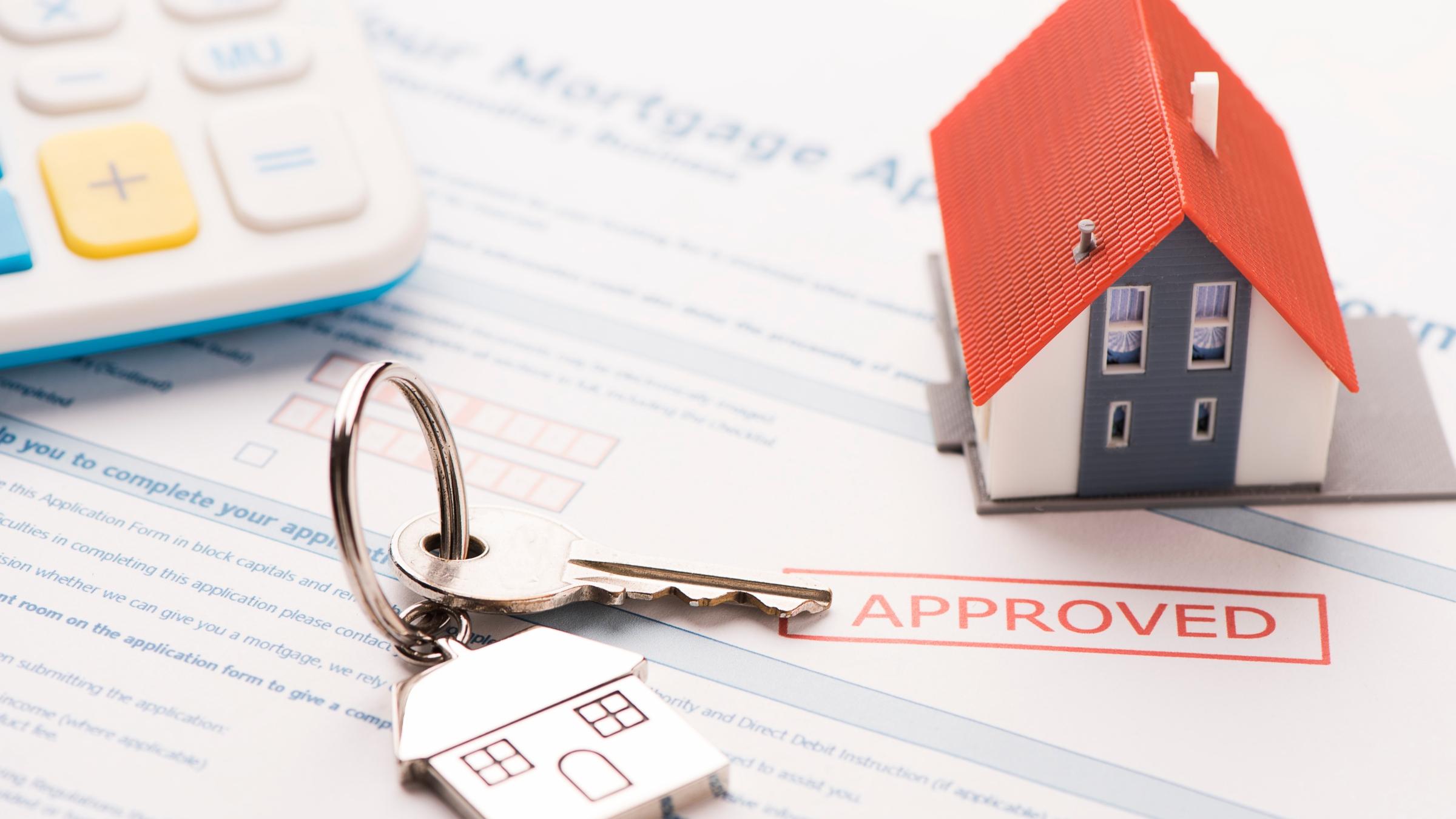
Owning a home is one of the biggest dreams for many Kenyans. However, with the rising cost of real estate, buying a home outright with cash is out of reach for most people. This is where mortgages come in—offering a practical way to finance a home and achieve property ownership without paying the entire amount upfront.
But how exactly do you qualify for a mortgage in Kenya? What steps should you follow to increase your chances of approval? This comprehensive step-by-step guide breaks down everything you need to know, from assessing your financial readiness to securing the best mortgage deal in Kenya in 2025.

1️⃣ Assess Your Financial Readiness
Before applying for a mortgage, take an honest look at your finances:
Income: Stable income (salaried or self-employed) is crucial. Most lenders require proof of consistent earnings.
Debt-to-Income Ratio (DTI): Ideally, your total monthly debts (including the new mortgage) should not exceed 40% of your gross income.
Savings: Most banks require a minimum deposit of 10% to 20% of the property’s value.
Job Stability: Having the same employer or stable business history for at least 2 years is an added advantage.
👉 Pro Tip: Start saving early for your down payment and avoid taking unnecessary loans before your application.
2️⃣ Build and Maintain a Good Credit Score
In Kenya, your Credit Reference Bureau (CRB) score is essential when applying for any loan, including a mortgage. A higher score shows lenders that you’re responsible with credit and boosts your chances of approval.
To maintain a healthy CRB record:
Pay existing loans on time.
Avoid multiple loan applications at once.
Check your CRB report regularly for errors.
3️⃣ Get Pre-Qualified or Pre-Approved
Getting pre-qualified gives you an estimate of how much you can borrow, while pre-approval is a more formal process where the bank assesses your finances and commits to lending you a specific amount.
Benefits of pre-approval:
You know your exact budget range.
Sellers take your offer more seriously.
It speeds up the mortgage process.
Most major Kenyan banks like KCB, Equity, Absa, NCBA, and Housing Finance offer this service.
4️⃣ Compare Mortgage Options & Choose a Lender
Popular Mortgage Types in Kenya:
Owner-Occupier Mortgage: For buying a home to live in.
Buy-to-Let Mortgage: For purchasing property to rent out.
Construction Mortgage: To build your own house.
Equity Release Mortgage: Borrow against the value of your existing home.
Compare the following when choosing a lender:
Interest Rates: Fixed vs. variable.
Loan Tenure: Typically between 5 and 25 years.
Loan-to-Value (LTV): Some lenders offer up to 105% financing, covering additional costs like stamp duty.
5️⃣ Prepare & Submit Your Application
Required Documents:
National ID & KRA PIN
Pay slips (last 3–6 months)
Bank statements (6–12 months)
Letter of employment or business registration (for self-employed)
Sale agreement & title deed of the property
Self-employed applicants may also need:
Audited financial statements.
Tax compliance certificates.
👉 Note: Accuracy and completeness of documents are key to avoiding delays.
6️⃣ Property Valuation & Legal Checks
The bank will:
Appoint a licensed property valuer to confirm the market value.
Conduct a legal search to ensure the property has a clean title with no disputes or encumbrances.
You may also need to pay for:
Stamp Duty: Typically 4% of property value (in urban areas) or 2% (in rural areas).
Legal fees and valuation charges.
7️⃣ Review Offer & Accept the Mortgage
Once approved, the lender sends you a Loan Offer Letter detailing:
The loan amount.
Interest rate and type (fixed or floating).
Monthly installment amount.
Repayment period.
Make sure you fully understand the terms before signing.
8️⃣ Disbursement & Start Repayment
After signing the offer, the bank disburses the funds to the seller or developer. You will then begin making monthly mortgage repayments as per the agreed terms.
Timely repayment is crucial to:
Maintain a positive credit record.
Avoid property repossession.
Take advantage of any future refinancing opportunities.
✅ Key Tips for Mortgage Success in Kenya
Start saving early for your deposit.
Clean up your CRB report.
Avoid new debts before applying.
Choose a reputable lender with favorable terms.
Work with an experienced real estate agent or financial advisor.
Getting a mortgage in Kenya is a major financial step, but with the right preparation, it is achievable. By understanding the process, comparing different lenders, and preparing your finances, you can move closer to owning your dream home. Whether you’re buying your first house or investing in rental property, this guide gives you the roadmap to navigate Kenya’s mortgage landscape with confidence.
A little more clarity
Frequently asked questions
What does this article cover?
Owning a home is one of the biggest dreams for many Kenyans. However, with the rising cost of real estate, buying a home outright with cash is out of reach for most people. This is where mortgages come in—offering a practical way to finance a home and achieve property ownership without paying the entire amount upfront.
How can I find properties related to my requirements?
Browse the property listings and filter by location, price, and property type. You can also use Request a Property to share your requirements and receive matching suggestions.
How can I ask about a property?
Open the property page to review its details and contact the listing agent using the enquiry options shown there. Confirm availability and arrange a viewing with the agent.


Join the conversation
Comments
Looking for a property?Get help with a request tailored to your location and budget.
No comments yet. Share a thought or ask a question above.