
Leasing agreements form the backbone of property occupation in Kenya, covering everything from residential rentals to commercial premises. Despite their importance, many people sign leases without fully understanding their legal implications — often leading to disputes, financial loss, or loss of rights.
This guide explains what a leasing agreement is, how it works under Kenyan law, the obligations of both parties, and the critical issues you should review before committing to one.
What Is a Leasing Agreement?
A lease is a legally binding agreement that grants a person the right to occupy and use land or property for a defined period, in exchange for rent or other consideration. Unlike informal arrangements, a lease creates a legal interest in land, meaning the tenant enjoys enforceable rights for the duration of the lease.
Once signed, both the landlord (lessor) and tenant (lessee) are legally bound by the terms of the agreement.
What Makes a Lease Legally Valid in Kenya?
For a lease to be legally enforceable, several key elements must exist:
Clearly identified parties – The landlord and tenant must be properly named
Defined property – The leased premises must be clearly described
Exclusive possession – The tenant has the right to occupy without interference
Certain duration – The lease period must be clearly stated
Consideration – Usually rent or a premium
Leases with unclear timelines or perpetual renewal clauses may be challenged in law for uncertainty.
Lease vs Licence: Why the Difference Matters
Many tenants mistakenly believe that all occupancy agreements are leases. This is not always the case.
A lease grants exclusive possession and legal protection. A licence, on the other hand, only gives permission to occupy and does not create an interest in land.
Key differences include:
Leases are protected by land law
Licences are easily revocable
Leases can be registered
Licences cannot be transferred or assigned
Understanding which one you are entering into is critical.
Core Responsibilities of a Landlord
Kenyan law implies certain obligations on landlords, even if they are not expressly stated in the lease:
Provide quiet and peaceful enjoyment of the property
Ensure the premises are fit for their intended use
Maintain the structural integrity of the building
Avoid actions that interfere with the tenant’s lawful use
Pay land rates, taxes, and statutory outgoings unless agreed otherwise
Failure to meet these obligations may allow a tenant to seek legal remedies or terminate the lease.
Key Responsibilities of a Tenant
Tenants also have legal duties, including:
Paying rent on time and as agreed
Using the property responsibly and lawfully
Keeping the premises in reasonable condition
Returning the property in good order, excluding fair wear and tear
Complying with lease conditions and permitted use
Neglecting these obligations can result in penalties, eviction, or loss of deposit.
Common Types of Leases in Kenya
Periodic Tenancies
These run indefinitely and are renewed automatically based on rent payment periods (monthly, quarterly, etc.). Termination requires notice equal to the rent period.
Short-Term Leases
These are leases of two years or less without renewal options. They do not require registration and can be oral or written.
Long-Term Leases
Leases exceeding two years must be registered. Long-term leases are common in apartment ownership and commercial developments, although newer laws are shifting toward sectional titles.
Why Lease Registration Matters
Under Kenyan law:
Leases exceeding two years must be registered
Unregistered leases are treated as contracts, not land interests
Registered leases offer stronger protection against third-party claims
Failure to register a registrable lease weakens the tenant’s legal position.
Understanding Controlled Tenancies
Controlled tenancies apply mainly to commercial properties, such as shops, hotels, and catering establishments.
A tenancy becomes controlled if:
It is not in writing
It is for less than five years
It contains early termination clauses
These tenancies are governed by the Landlord and Tenant (Shops, Hotels and Catering Establishments) Act, which strongly protects tenants.

Why Controlled Tenancies Concern Landlords
Controlled tenancies limit a landlord’s ability to:
Terminate leases freely
Increase rent without tribunal approval
Evict tenants without legal process
Disputes under controlled tenancies are handled by a statutory tribunal, not ordinary courts.
Properties Exempt from Controlled Tenancy Rules
The only clear exemption applies where:
The Government or County Government is a party to the lease
Most private commercial premises fall under the Act.
Critical Issues to Review Before Signing a Lease
Before signing any leasing agreement, consider the following:
Ownership verification – Conduct a land search
Property condition – Inspect or commission a survey
Rent and service charges – Understand how they are calculated
Deposit terms – Confirm refund conditions
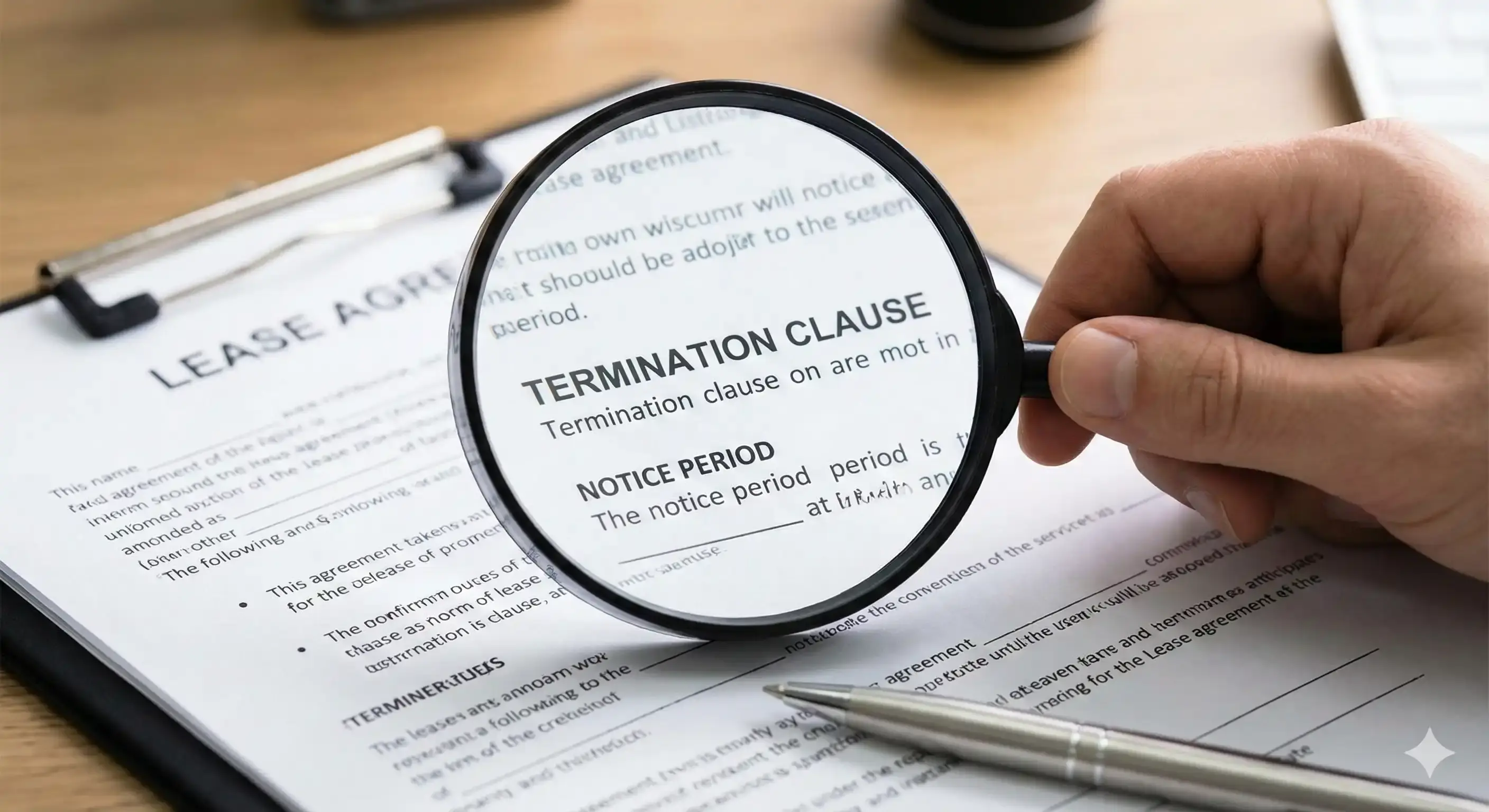
Termination clauses – Know notice periods and penalties
Permitted use – Especially important for commercial leases
Professional advice can prevent costly mistakes.
Conclusion
A leasing agreement is more than a formality — it defines your legal rights, financial obligations, and security of occupation. Whether leasing a home or commercial premises, understanding the structure, obligations, and legal protections under Kenyan law is essential.
Before signing, take time to read, verify, and seek guidance where necessary. A well-understood lease protects both landlords and tenants and reduces the risk of disputes.
A little more clarity
Frequently asked questions
What does this article cover?
Leasing agreements form the backbone of property occupation in Kenya, covering everything from residential rentals to commercial premises. Despite their importance, many people sign leases without fully understanding their legal implications — often leading to disputes, financial loss, or loss of rights.
How can I find properties related to my requirements?
Browse the property listings and filter by location, price, and property type. You can also use Request a Property to share your requirements and receive matching suggestions.
How can I ask about a property?
Open the property page to review its details and contact the listing agent using the enquiry options shown there. Confirm availability and arrange a viewing with the agent.


Join the conversation
Comments
Looking for a property?Get help with a request tailored to your location and budget.
No comments yet. Share a thought or ask a question above.