
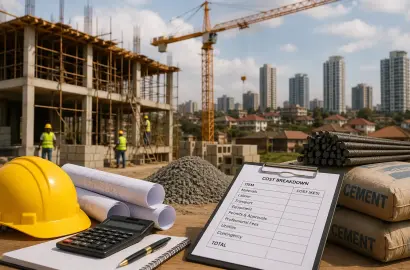
Buying off-plan property—where you purchase a house or apartment before it’s built—has become one of the fastest-growing investment trends in Kenya. With attractive prices, flexible payment plans, and modern finishes, it’s easy to see why many Kenyans and diaspora investors are rushing into off-plan deals.
But here’s the truth:
Off-plan investments in Kenya can be extremely rewarding… or extremely risky.
The difference lies in one thing—due diligence.
This guide breaks down everything you need to know before buying off-plan property in Kenya, the hidden risks most people ignore, and how to invest safely.
What Is Off-Plan Property?
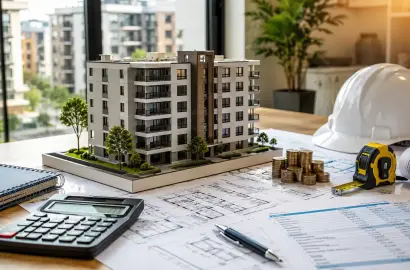
An off-plan property is a real estate unit sold before construction is completed—or sometimes before it even begins. Buyers rely on:
Floor plans
Architectural drawings
3D renders
A developer’s promise
Payments are usually made in stages as the project progresses.
Why Many Kenyans Love Off-Plan Projects
Off-plan properties come with several appealing benefits:
1. Lower Entry Prices
Off-plan homes are often significantly cheaper than completed units, making them ideal for young buyers and first-time homeowners.
2. High Capital Appreciation
Property value can appreciate by 10–40% before completion, giving early buyers strong returns.
3. Flexible Payment Plans
Most developers offer installments over 18–36 months, easing financial pressure.
4. Modern Amenities & Finishes
Developers incorporate modern layouts, energy-efficient systems, smart home features, and lifestyle amenities.
5. Room for Customization
Early buyers may influence finishes, layouts, or upgrades.
The Hidden Risks Most Buyers Don’t Know
Even with all the advantages, off-plan projects come with serious risks that many Kenyans overlook:
1. Delayed Projects
Some developers miss completion deadlines by months—and sometimes years.
This leads to:
Additional rent expenses
Delayed occupation
Stalled ROI for investors
2. Abandoned or Failed Developments
A developer may run out of funds, mismanage resources, or simply disappear after collecting deposits.
This is the biggest risk in Kenya’s off-plan market.
3. Poor or Inferior Finishes
The completed unit may not match the 3D render. Common complaints include:
Smaller room sizes
Cheap materials
Poor workmanship
Fewer amenities than promised
4. Weak or Vague Contracts
Some agreements favor the developer, offering little protection to buyers in cases of:
Delays
Changes in design
Non-refundable deposits
Project cancellation
Without a strong contract, buyers have little recourse.
5. Hidden Costs
Some developers introduce undisclosed charges such as:
Parking fees
Service charge
Legal fees
Title processing fees
Utility connection fees
How to Safely Buy Off-Plan Property in Kenya
Here is the step-by-step due diligence checklist every buyer should follow:
1. Research the Developer Thoroughly
Check:
Their completed projects
Track record for delivering on time
Google reviews
Social media feedback
Buyer testimonials
Visit at least two of their completed developments.
2. Verify Land Ownership
Conduct a title search at the Ministry of Lands to confirm:
Ownership
Encumbrances
Leases/charges
If the developer does not own the land, avoid the project.
3. Hire a Property Lawyer
Never sign:
Offer letters
Sale agreements
Payment plans
…without legal review.
A lawyer protects you from hidden clauses and ensures fair terms.
4. Confirm All Approvals
Request to see:
County building approvals
Architectural plans
NEMA certificate
Change of user (if required)
Missing approvals = red flag.
5. Agree on Milestone-Based Payments
Pay only when construction hits clear stages, such as:
Foundation
Walling
Roofing
Finishes
This protects you from funding stalled projects.
6. Use Secure Payment Options
Where possible, use:
Escrow accounts
Bank-controlled payments
Lawyers’ client account
Avoid paying into personal accounts.
7. Get Everything in Writing
Every promise should be documented:
Completion date
Amenities
Unit size
Penalties for delay
Material specifications
If it isn’t written, it is not enforceable.
Real Kenyan Experiences: A Warning
Many diaspora and first-time buyers have lost millions to rogue developers in Nairobi, Athi River, Syokimau, Kitengela, and Ruaka.
Common issues include:
Projects abandoned halfway
Developers disappearing
Buyers paying in full for houses that were never built
Units delivered with shocking finishes
Lesson? Never rely on glossy brochures or social media marketing. Verify everything.
Why Off-Plan Still Makes Sense
Despite the risks, off-plan remains one of the best ways to:
Access prime locations affordably
Build equity early
Customize your home
Achieve excellent capital gains
With proper due diligence, it is one of the smartest investments in Kenya’s real estate market.
How Masion.co.ke Helps You Buy Safely
At Masion Kenya, we are committed to helping you make safe and informed real estate decisions. We offer:
✔ Verified off-plan project recommendations
✔ Due diligence support
✔ Access to trusted property lawyers
✔ Construction monitoring for diaspora clients
✔ Market data and investment advice
✔ Transparent, risk-free property guidance
Whether you're a first-time homebuyer or a seasoned investor, our goal is to protect your money and ensure you invest wisely.
FAQs About Off-Plan in Kenya
1. Can I get a mortgage for an off-plan property?
Some banks offer financing once the project reaches a certain stage (often roofing level).
2. How long does construction take?
Most projects take 18–36 months, but delays are common. Always add a buffer.
3. What happens if the developer fails to complete the project?
Your protection depends on the contract—this is why legal support is critical.
4. Is off-plan safe for diaspora buyers?
Yes—if you work with reputable developers and have a representative or lawyer on the ground.
Conclusion
Buying off-plan in Kenya is not risky—it’s risky when done blindly.
The market is full of opportunities, but only for buyers who verify, question, and protect themselves legally.
If you want to invest wisely:
Trust the facts, not the brochure.
A little more clarity
Frequently asked questions
What does this article cover?
Buying off-plan property—where you purchase a house or apartment before it’s built—has become one of the fastest-growing investment trends in Kenya. With attractive prices, flexible payment plans, and modern finishes, it’s easy to see why many Kenyans and diaspora investors are rushing into off-plan deals.
How can I find properties related to my requirements?
Browse the property listings and filter by location, price, and property type. You can also use Request a Property to share your requirements and receive matching suggestions.
How can I ask about a property?
Open the property page to review its details and contact the listing agent using the enquiry options shown there. Confirm availability and arrange a viewing with the agent.
Join the conversation
Comments
Looking for a property?Get help with a request tailored to your location and budget.
No comments yet. Share a thought or ask a question above.